When exploring fashion, many people often wonder, "what is the difference between jeans and denim?" Jeans are a specific style of pants made from denim fabric. Denim itself is a sturdy cotton twill textile, known for its durability and versatility. While all jeans are made of denim, not all denim clothing is jeans.
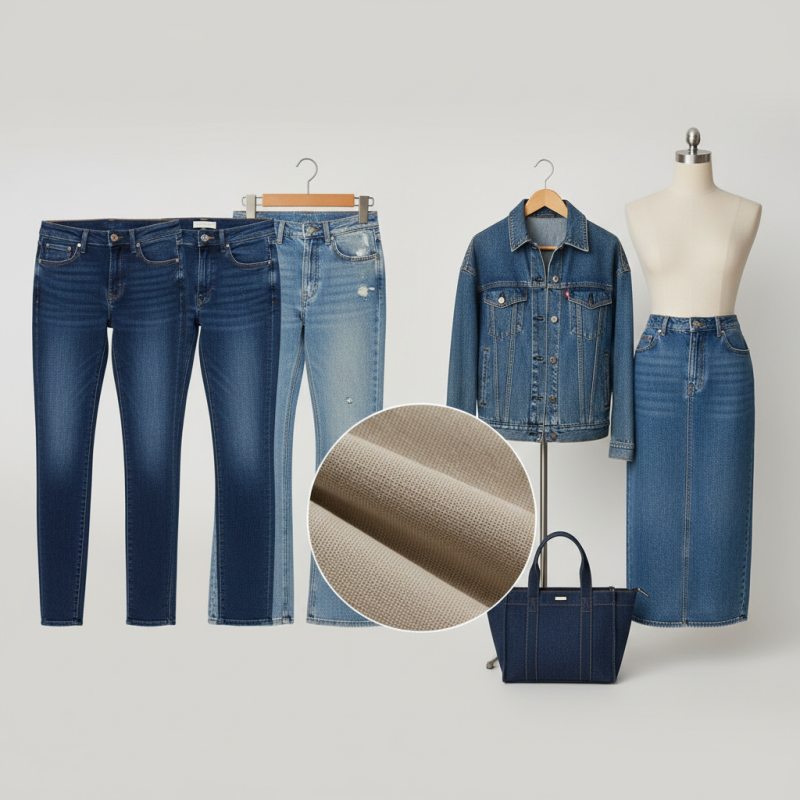
Understanding this distinction can enhance your wardrobe choices. Jeans typically come in various styles like skinny, bootcut, and wide-leg. This variety allows for a range of fashion expressions. Conversely, denim may manifest in skirts, jackets, and more. Each piece offers unique styling opportunities.
It’s essential to be aware of fabric care and comfort. Denim can have various washes and finishes, affecting its feel and look. A deep blue denim can feel rugged, while a lighter wash may appear worn and casual. Both have their place, but choices should align with personal style and occasion.
Definition of Denim: Composition and Characteristics
Denim is a fabric, while jeans refer to a garment made from this fabric. Understanding denim starts with its composition. Denim is typically woven from cotton. Its unique twill weave gives it a sturdy yet versatile quality. The fabric is often dyed with indigo, creating the classic blue color familiar in many wardrobes.
The characteristics of denim include its durability and timeless appeal. Denim can withstand wear and tear. It ages gracefully, developing a distinctive patina over time. Many enjoy the character that fades and whiskers bring. However, it can also feel stiff or uncomfortable when new, leading to a common hurdle faced by new denim wearers.
Some may assume denim is only for casual wear. This is a misconception, as denim can suit formal outfits when styled correctly. Additionally, denim comes in various weights, from lightweight options to heavier fabrics. Such diversity might confuse those new to fashion. Choosing the right type involves understanding both personal style and comfort needs. The intricacies of denim make it a fascinating topic for both fashion enthusiasts and casual wearers.
What is the Difference Between Jeans and Denim Explained
| Dimension |
Denim |
Jeans |
| Definition |
A sturdy fabric, typically made from cotton, woven with a twill structure. |
A garment made from denim fabric, usually in the form of trousers. |
| Composition |
Primarily cotton, often blended with elastane for stretch. |
Made of denim fabric; may include various blends for stretch, color, and durability. |
| Characteristics |
Durable, stiff, and often has a distinctive blue color. |
Casual wear, often featuring pockets, buttons, and zippers. |
| Uses |
Used for various apparel including jackets, skirts, and trousers. |
Primarily used for making casual or work trousers. |
| Variations |
Includes different weights, washes, and finishes. |
Includes various styles like skinny, bootcut, and wide-leg. |
Types of Denim: Varieties and Weaving Techniques
Denim is a versatile fabric that comes in various types, each with unique characteristics. Common varieties include selvedge, raw, and stretch denim. Selvedge denim is woven on vintage shuttle looms, creating a clean edge. This method often results in a tighter weave and more durable fabric. According to a 2021 industry report, selvedge denim accounts for approximately 30% of high-end denim sales due to its craftsmanship.
Raw denim has not undergone wash or treatment, maintaining its indigo dye intensity. This untreated fabric can shrink and change with wear, developing a personalized fade. Research indicates that consumers value raw denim for its authenticity, with around 40% of buyers preferring it over pre-washed alternatives. Stretch denim incorporates elastane, offering flexibility. This type caters to the demand for comfortable, form-fitting apparel.
Tips: Consider how denim is woven when selecting the right fabric. A tight weave may last longer but can be less comfortable. Also, raw denim requires time to break in, so don’t rush to wash. Not all denim fits the same way, so know your size in different styles. Each type of denim offers distinct experiences, and exploring these can lead to impactful fashion choices.
Understanding Jeans: Styles, Cuts, and Their Origins
Jeans have evolved remarkably over the decades, making them a staple in modern wardrobes. Different styles and cuts exist to cater to diverse body types and preferences. Classic cuts include skinny, straight, flared, and bootcut, each with its unique silhouette and charm. For instance, skinny jeans cling tightly to the leg, offering a sleek look. In contrast, flared jeans create a retro vibe by widening at the hem.
Originating from durable workwear, jeans were initially practical and functional. As they transitioned into fashion, their styles diversified. High-waisted jeans can accentuate the waist, while low-rise options cater to a more casual aesthetic. Each cut has its roots in cultural movements, reflecting societal changes.
Choosing the right style can be challenging. It’s essential to consider comfort and personal expression. Not every style suits every individual. Some may feel constricted in skinny jeans, while others find flared jeans outdated. Understanding one’s body shape is key to finding a flattering fit. Mixing and matching different styles can also lead to refreshing outfits. This process encourages exploration and introspection in fashion choices.
Key Differences: Jeans vs. Denim in Fabric and Usage
Denim and jeans are often thought to be the same. However, they serve different purposes and have distinct characteristics. Denim is a sturdy cotton fabric, typically woven with a twill weave. It's known for its durability and strength. This fabric is commonly used to make various clothing items, but jeans are a specific type of garment made from denim. Jeans are designed for comfort and style, featuring pockets and various fits.
The term "jeans" refers to pants made from denim. They can come in various washes, colors, and styles. While denim can be used in jackets, skirts, and more, jeans are specifically tailored as trousers. Many people appreciate jeans for their versatility, wearing them on casual outings or even dressing them up for semi-formal events. It’s worth noting that not all denim fabric is created equal. For instance, lightweight denim feels different than heavy-weight options, influencing the overall comfort.
Jeans have evolved over the years, reflecting changing fashion trends and cultural influences. Denim fabric, on the other hand, remains a classic choice in fashion. Understanding the nuances between denim and jeans helps in choosing the right clothing for different occasions. Each has its own identity and purpose, enriching the world of fashion with endless possibilities.
Fashion Trends: How Jeans and Denim Evolve Over Time
Jeans and denim have a rich history intertwined with fashion trends. Initially worn for work, jeans evolved into a popular icon of casual style. In the early 1900s, they were a practical choice for laborers, offering durability and comfort. Over time, they made a bold leap into mainstream fashion, reflecting cultural shifts and social movements.
Today, denim comes in various styles and washes, showcasing individual expression. The rise of sustainable fashion has led to new innovations in denim production. Brands are exploring eco-friendly materials, reflecting a growing desire for environmental responsibility. This evolution highlights both creativity and a need for improvement in manufacturing practices.
Fashion trends continue to shape how we view jeans and denim. With the cycling of styles, what was once old is now new again. High-waisted jeans, for example, cycle in and out of popularity. People often find themselves questioning their choices when it comes to fit and trend. It’s essential to recognize that fashion is not just about looks; it’s also about the values we embody.
FAQS
: Denim is primarily woven from cotton, featuring a unique twill weave.
New denim can feel uncomfortable or stiff, which many new wearers often face.
Yes, denim can work for formal outfits when styled appropriately.
Selvedge denim is woven on vintage looms, resulting in a tighter, more durable fabric.
Raw denim changes with wear, developing a personalized fade.
Stretch denim contains elastane, providing flexibility for form-fitting styles.
Fashion trends influence denim styles, cycling through what's popular over time.
Many value raw denim for its authenticity and ability to develop unique fades.
Consider the weave and your comfort needs before selecting denim fabric.
The industry focuses on sustainable production, reflecting environmental responsibility in fashion choices.
Conclusion
The article titled "What is the Difference Between Jeans and Denim Explained" delves into the fundamental distinctions between jeans and denim, starting with the definition of denim itself, which is a fabric known for its durable cotton weave. Different types of denim are explored, highlighting various weaving techniques and their respective characteristics.
The discussion then shifts to jeans, examining their different styles and cuts, as well as their historical origins. The key differences between jeans and denim are elucidated, focusing on the fabric's composition and its usage in fashion. Finally, the article touches on how both jeans and denim have evolved over time, reflecting changing fashion trends and consumer preferences, ultimately answering the question of what is the difference between jeans and denim in a comprehensive manner.

 JALSÉRA Fashion