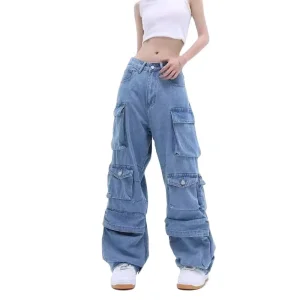
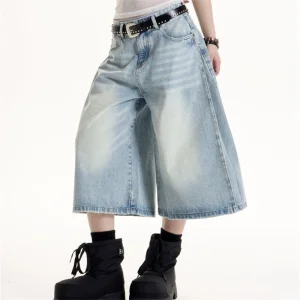
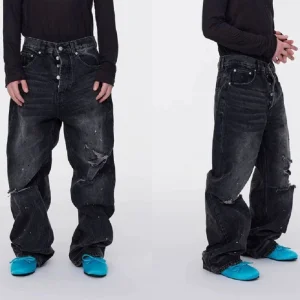
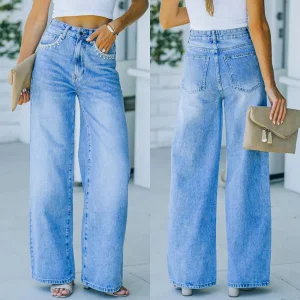
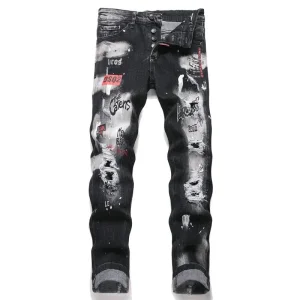
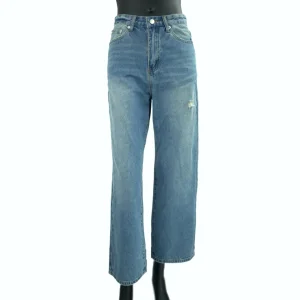
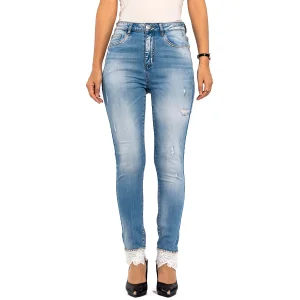
In the modern industrial era, workwear pants have evolved from simple protective gear into sophisticated, tech-integrated garments. The global workforce demand is shifting toward high-performance fabrics that offer both extreme durability and ergonomic comfort.
From construction sites in Europe to logistics hubs in North America, the demand for Ripstop and Cordura fabrics is at an all-time high to ensure worker safety and garment longevity.
Antistatic, flame-retardant, and moisture-wicking properties are no longer optional. Global buyers prioritize manufacturers who utilize AI-driven textile engineering.
Eco-friendly manufacturing processes and recycled fibers are becoming the standard for top-tier exporters responding to environmental regulations.
The "Top 10" list isn't just about volume; it's about the ability to innovate. Leading exporters in China, Vietnam, and Bangladesh are now competing on design intelligence rather than just price. These leaders provide comprehensive OEM/ODM services that allow global brands to localize their offerings for specific climates and job roles.
Key regions like Hangzhou, China, have become global hubs for apparel technology, combining traditional craftsmanship with modern automated production lines to deliver unparalleled precision in every stitch.
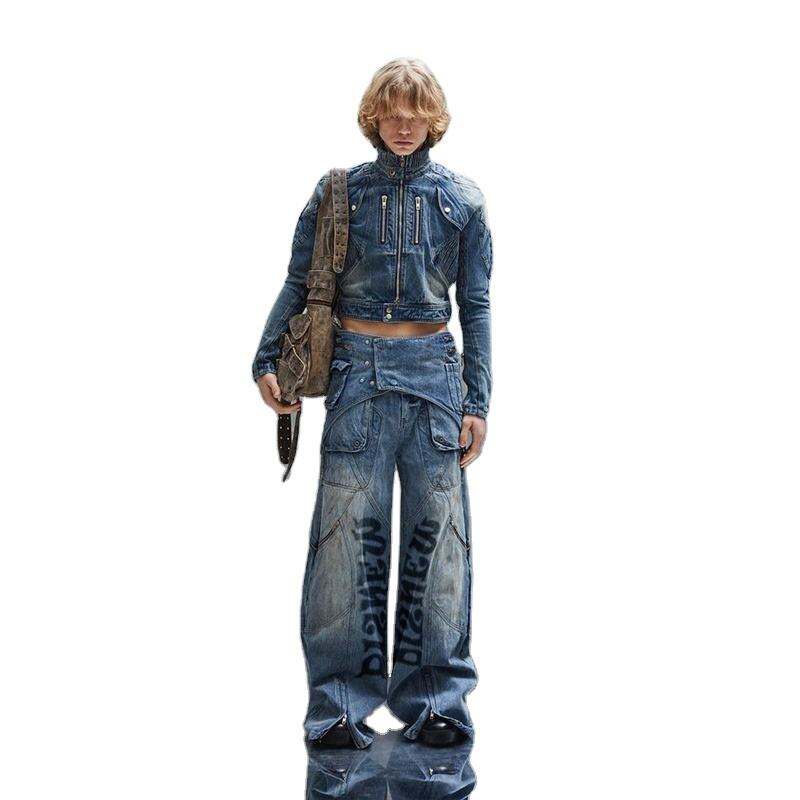
Specializing in multi-functional cargo and tactical pants using 4-way stretch fabrics and reinforced knee panels.
Focusing on high-visibility (Hi-Vis) workwear and EN ISO 20471 certified garments for infrastructure projects.
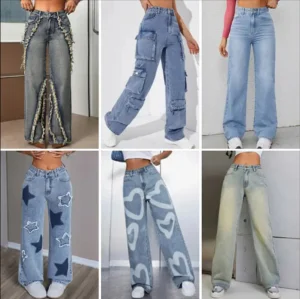
Bridging the gap between fashion and function, providing reinforced denim for artisan trades and light industry.
These entities focus on bulk procurement for military, security, and large-scale corporate uniforms across the Americas and Asia.
Professional workwear is becoming more stylish. Employees want pants they can wear from the construction site to a casual meeting. This trend is driving demand for slim-fit, tapered industrial trousers with hidden utility pockets.
In the Middle East, breathable and heat-resistant fabrics are paramount. In the Nordic regions, thermal insulation and waterproof membranes are the primary procurement requirements. We specialize in these localized adaptations.
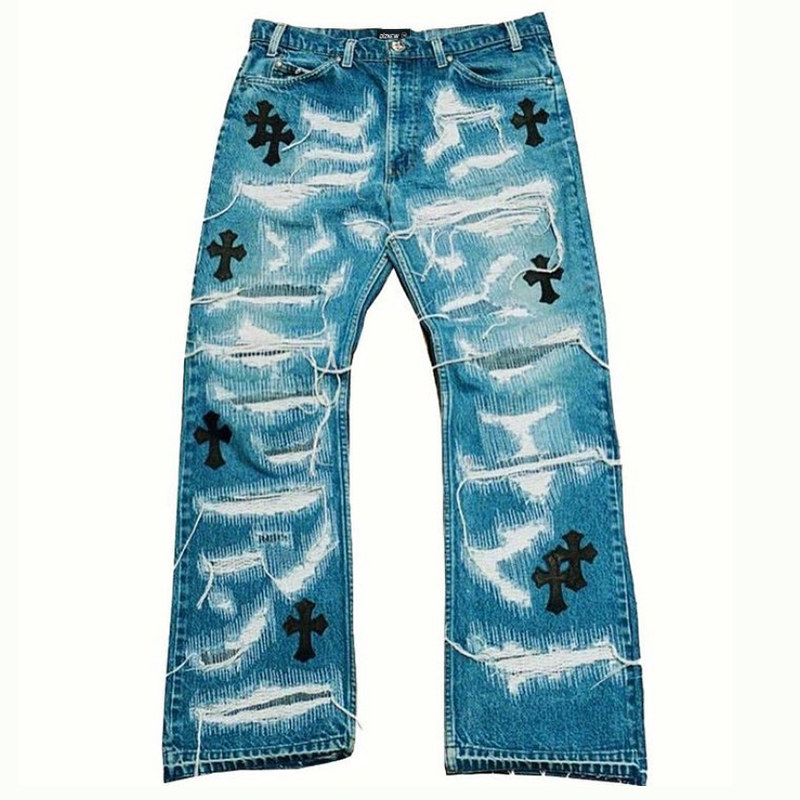
Hangzhou JALSÉRA Fashion Co., Ltd. is one of the leading professional apparel manufacturers in China, with over 20 years of experience in the clothing industry. We specialize in designing and producing exclusive, trendy garments that meet the ever-changing demands of global markets and evolving consumer lifestyles.
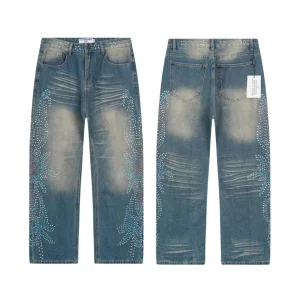
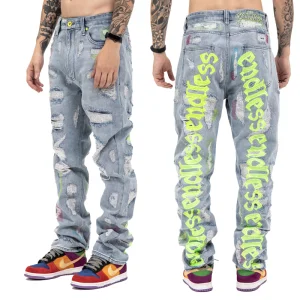
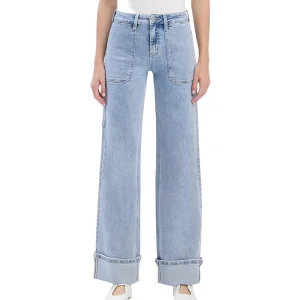
Our product range covers a wide variety of fashion categories, including denim wear, casual apparel, outerwear, and knit collections. With a strong focus on design innovation and quality craftsmanship, we are committed to delivering stylish, comfortable, and durable clothing for modern consumers.
Adapting to new work styles and market dynamics has become a key strength of our team. We offer flexible solutions such as low MOQ starting from just 2 pieces, fast sample development, competitive pricing, and dedicated customer service. These advantages allow us to support emerging brands, wholesalers, and retailers with efficient and reliable production services.
Our digital pattern-making system allows for 48-hour sample turnarounds, ensuring your brand stays ahead of the market curve.
Every pair of pants undergoes a 12-point inspection process, ensuring that seams, zippers, and fabric integrity meet international standards.
Whether you need a small batch of 2 pieces or a bulk order of 20,000, our Hangzhou facility is equipped to handle varying scale requirements.
At JALSÉRA, we believe that collaboration and adaptability drive success. Our experienced team works closely with clients to understand their unique needs and provide customized solutions. This approach helps us build long-term partnerships based on trust, consistency, and mutual growth. We are committed to continuous improvement and innovation, striving to deliver value-driven fashion products while facing challenges with resilience and teamwork to create meaningful differences in the industry.
 JALSÉRA Fashion