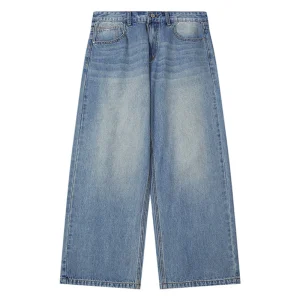
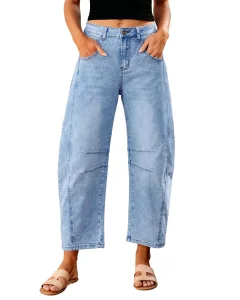
Engineered specifically for hot coastal climates using highly breathable weaves and contemporary retail fits.

The consumer retail environment in Mozambique, centered around key urban economic nodes like Maputo, Matola, Beira, and Nampula, is undergoing a profound structural evolution. Historically dominated by informal markets ("dumba nengues") and second-hand garment imports ("calamidade"), the market is shifting toward brand-centric, high-quality, and new ready-to-wear apparel. This transition is fueled by a growing middle class, urban expansion, and an increase in modern shopping malls such as Maputo Shopping Centre and Marés Shopping.
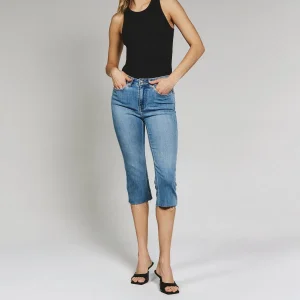
Cropped jeans have emerged as a dominant category in Mozambique's fashion import landscape. The sub-tropical and tropical climate demands denim that combines style with physiological comfort. Heavyweight denim (14oz and above) is increasingly rejected by urban consumers in favor of light-to-midweight denim (9oz to 11oz). Cropped cuts—exposing the ankle—provide crucial heat dissipation while aligning with global streetwear trends, making them the preferred denim silhouette for the young demographic comprising over 60% of Mozambique's population.
For distributors, fashion brands, and large-scale retailers operating in Maputo or through regional hubs, securing direct factory relationships in China bypasses costly middleman markups in South Africa, lowering the landing cost at Maputo Port (Porto de Maputo) and Nacala Port, and enhancing bottom-line profitability.
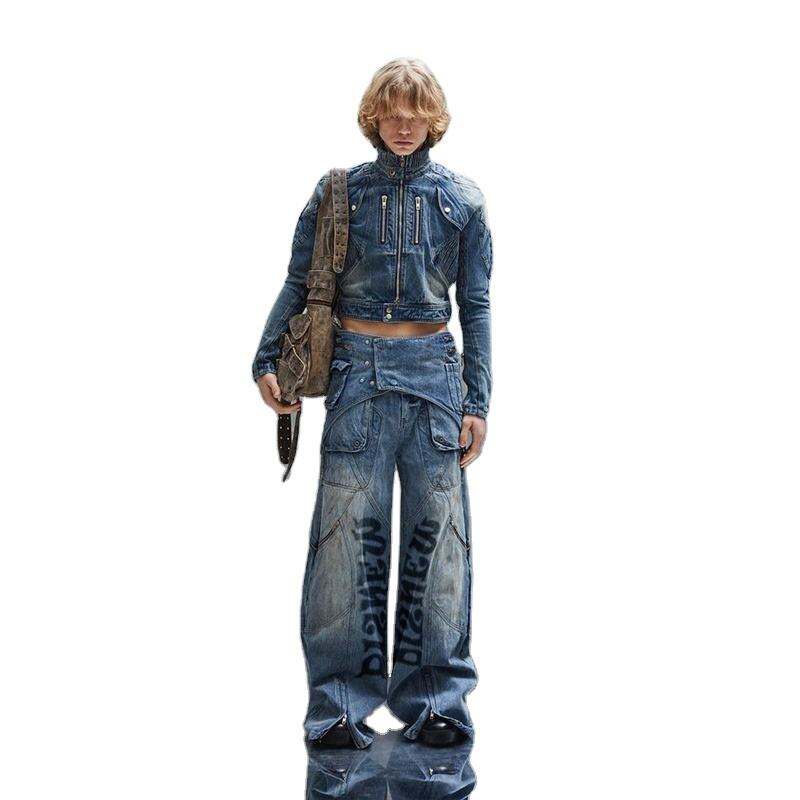
In the global supply chain for denim, production efficiency is no longer calculated solely by hourly labor rates; it is defined by digital integration, raw material access, and agility. Hangzhou JALSÉRA Fashion Co., Ltd. exemplifies this modern manufacturing paradigm. Operating from Hangzhou, Zhejiang Province—one of China's premier textile and e-commerce technology clusters—JALSÉRA bridges the gap between raw fabric sourcing and immediate global distribution.
Traditional denim factories demand high minimum order quantities (MOQs) of 1,000 to 5,000 pieces per style. This capital-intensive model is highly risky for retailers in developing markets like Mozambique, where cash flow optimization is critical. JALSÉRA supports emerging brands, wholesalers, and boutique retailers by offering flexible solutions such as a low MOQ starting from just 2 pieces. This allows buyers to test the market with diverse styles (e.g., raw hem cropped, high waist, sequins) before committing capital to bulk volumes.
Denim aesthetics—specifically acid wash, vintage blue, and distressed finishes—depend heavily on the wet processing stage. JALSÉRA utilizes advanced washing machinery that minimizes water consumption while ensuring high colorfastness and zero chemical residue. This guarantees that every cropped jean exported to Mozambique maintains its structural integrity and color vibrancy even after continuous exposure to high humidity and intense sunshine.
Navigating the import procedures at Maputo Port requires accurate shipping documentation. JALSÉRA provides clean commercial invoices, standardized packing lists, and correct HS Code classifications (typically 6204.62 for cotton denim trousers). This prevents customs delays, minimizes storage fees at the port, and ensures compliance with Mozambican customs authority (Alfândegas de Moçambique) standards.
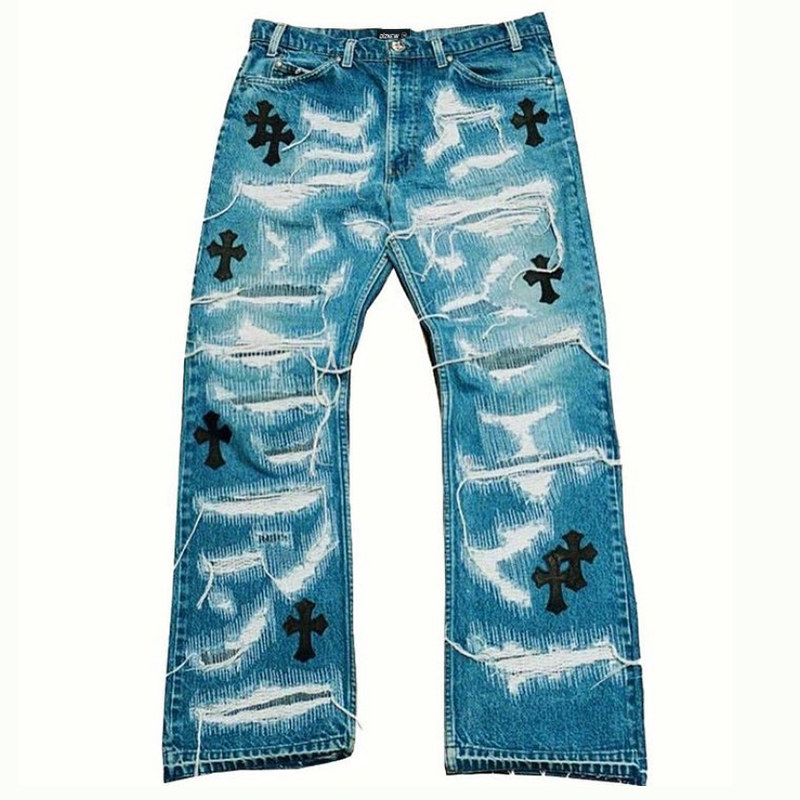
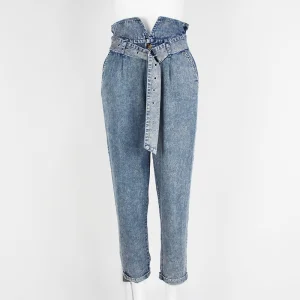
A successful denim line in Maputo or Beira requires precise alignment with local preferences. Mozambique's fashion scene is vibrant, heavily influenced by both Portuguese design aesthetics and contemporary South African urban wear. High-waisted cropped jeans are particularly popular as they offer a flattering silhouette that provides structure and comfort.
Material composition is another vital metric. While pure cotton offers durability, incorporating elastane (spandex) is essential for body-conforming fits like cropped skinny and pencil jeans. JALSÉRA’s premium denim blends utilize 90% cotton, 5% polyester, and 5% viscose/elastane, optimizing structural rigidity, tensile strength, and stretch recovery. This material profile ensures that the denim maintains its shape in hot, humid weather and is comfortable for all-day wear.
Select from our production designs, fully customizable for private labels, retail brands, and wholesale distribution in Mozambique.

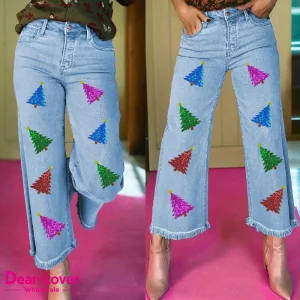
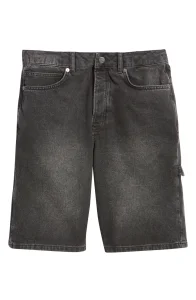
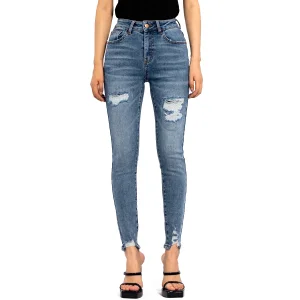
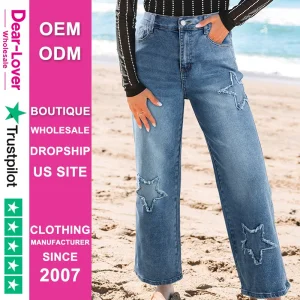
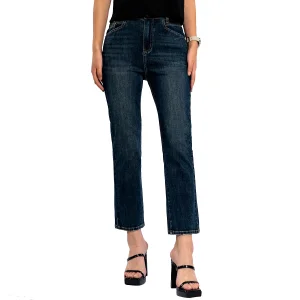
Denim procurement is undergoing a shift toward high-velocity supply chains. Large importers in Mozambique, who traditionally relied on importing containers of overstock garments from Europe or low-tier commodities from regional neighbors, are facing margin erosion due to rising logistics costs and changing consumer tastes. Urban consumers in southern Africa are digitally connected via social media, aligning their fashion expectations with global trends in real-time. This requires local retailers to source structured, fashionable, and retail-ready garments directly from source factories.
Key procurement trends driving the cropped jeans sector in Mozambique include:
JALSÉRA's integrated vertical setup supports these dynamics. By sourcing yarn, executing weaving, conducting custom garment dyeing, and managing final export clearance under one roof, we minimize production errors and transit delays, ensuring reliable delivery schedules for our partners in Maputo and Nacala.
Technical specifications, customization details, and logistics options for Mozambique denim importers.
For ocean freight shipments, the transit time from Ningbo-Zhoushan or Shanghai ports to Maputo or Nacala ports ranges from 28 to 38 days, depending on the shipping line (such as MSC, Maersk, or COSCO) and route. Air freight transit times for sample runs and urgent boutique orders are typically 7 to 10 days to Maputo International Airport (MPM).
We maintain a large stock of ready-to-ship, high-quality, unbranded cropped jeans in our warehouse. This allows us to support small retailers, online dropshippers, and emerging Mozambican brands by shipping as few as 2 pieces per style, enabling them to test market demands without committing substantial capital.
Yes, we provide comprehensive OEM and ODM solutions. We customize leather waist patches, metal buttons, rivets, main labels, and hangtags with your brand logo. Additionally, we provide custom bags to ensure your products arrive retail-ready at your warehouse.
We recommend lightweight denim of 8.5oz to 10.5oz for summer collections, particularly in hot and humid regions like Maputo, Beira, and Pemba. For winter or trans-seasonal collections, a midweight denim of 11oz to 12oz with stretch elastane provides optimal comfort and structure.
We follow strict internal quality control procedures, checking raw fabric density, seam tensile strength, zip performance (YKK or equivalent), and washing chemistry safety. Every piece of cropped denim undergoes an end-of-line inspection before packaging to ensure zero defects.
 JALSÉRA Fashion